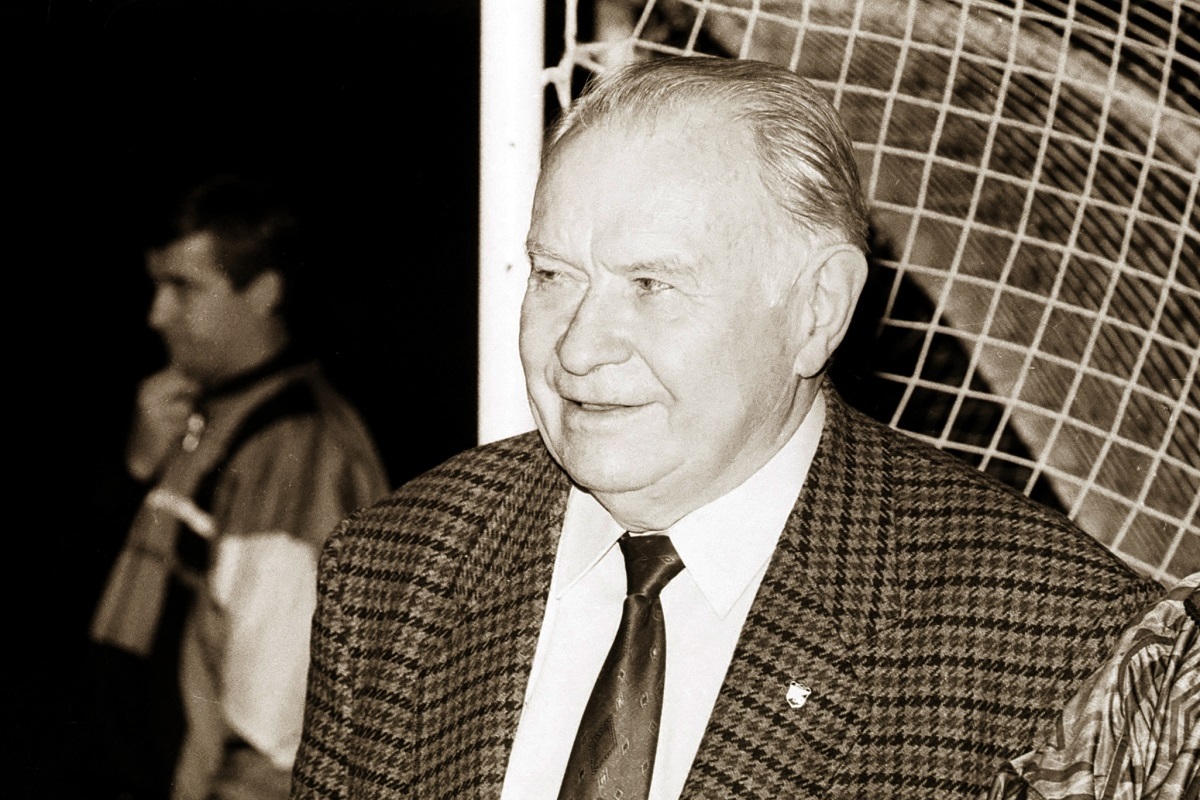
Tuesday marks the 105th anniversary of the birth of the famous striker of Dynamo, the legendary coach Konstantin Ivanovich Beskov.
Konstantin Ivanovich was born in Moscow on November 18, 1920, to a working-class family. He was not yet six years old when his uncle, Ivan Mikhailovich, took him to his first soccer game. The game captivated the boy so much that it became his only thought. He spent all his time playing with his peers in the yard, and a couple of years later, his mother, Anna Mikhailovna, gave him a real soccer ball.
At 14, Beskov began playing for the team at Khrunichev Plant No. 205, after which he played for the Tagansky Children's Park team, where he captained and won the Moscow championship among children's park teams. At 16, Kostya was invited to the Moscow national team, with which he participated in the All-Union Spartakiad of Pioneers and Schoolchildren. He also played bandy.
The promising footballer's talent didn't go unnoticed, and in 1937, he caught the eye of coach Boris Arkadyev, who was heading the Hammer and Sickle team (later Metallurg). A year later, Beskov won bronze in the USSR Championship with Metallurg, and in 1939, he was the team's top scorer (eight goals).
After serving in the army and in the border troops in the Moldavian SSR, Beskov returned to Moscow and immediately joined Dynamo, then managed by Arkadyev. It was Arkadyev who insisted that the 20-year-old footballer play for the white-and-blues. With his new team, Konstantin Ivanovich played as a center forward, and in the 1941 championship, he played eight matches, scoring three goals. Beskov scored his first goal for Dynamo in a 7-0 win over Spartak Kharkiv, then scored twice against the Moscow army men (5-2).
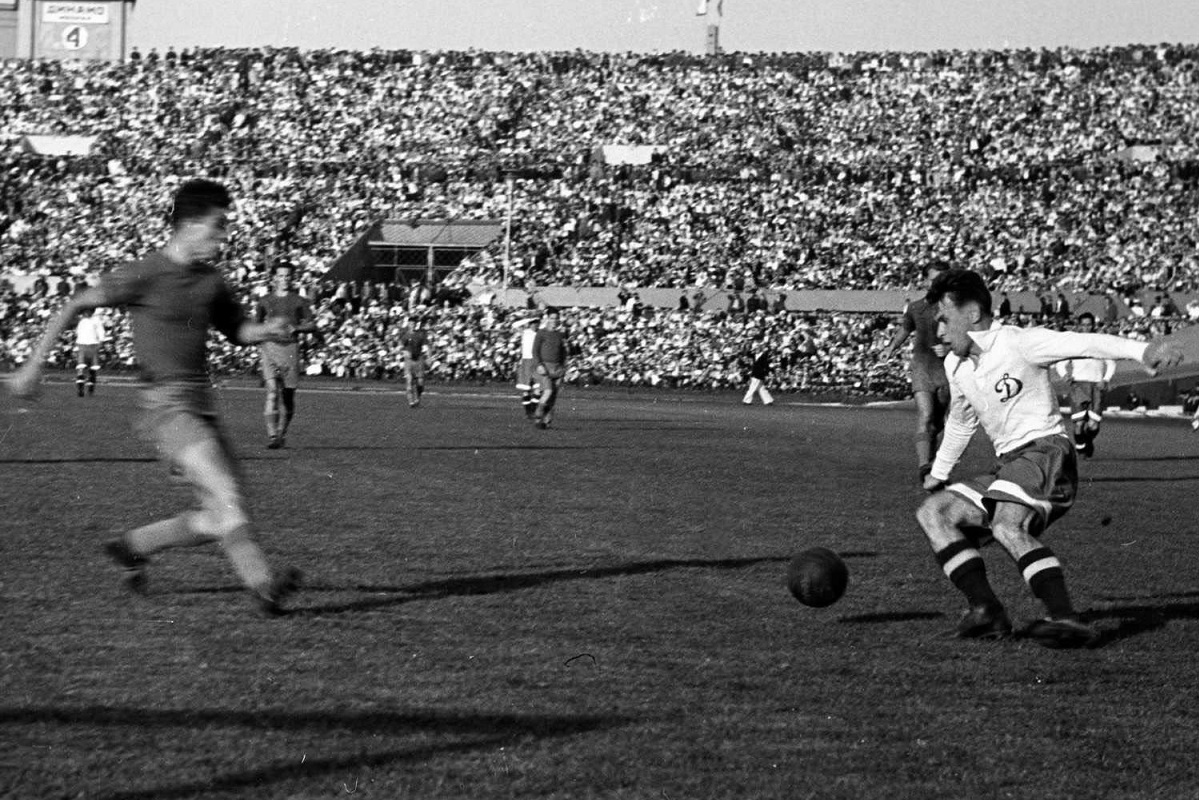
A bright debut was interrupted by the Great Patriotic War, during which Beskov served in Moscow – his unit carried patrol duty, guarded facilities, searched for saboteurs and helped the civilian population. He recalled that he participated in reconnaissance to clarify the deployment of German units and the number of tank and motorcycle units breaking through to the capital. As the situation in the city stabilized, football life resumed – Arkadiev started Dynamo training again, to which the players began to be released.
In 1945, the Moscow "Dynamo" became the first post-war champion of the USSR, after which it went on a tour of the UK, which became famous all over the world. It was there that Beskov's star rose most brightly: he played in all four matches against the leading clubs of the British Isles and scored five goals – four against Cardiff City (10:1) and the most important goal for Arsenal in London (4:3).
– The most vivid memory? Perhaps the atmosphere in the locker room after the first half of the first match with Chelsea. We were losing 0:2, and we had 45 minutes ahead of us. A thought flashed by: "If we lose, it's scary to fly home. Maybe it will be better if the plane doesn't make it." That's how I wanted not to lose face in front of the Motherland! We silently looked into each other's eyes and went out for the second half different. As a result, one of the best English clubs almost won. And the press began to write differently, not allowing any more stupid jokes about us. They were stunned, like the whole of Great Britain, – Beskov recalled in his declining years.
Konstantin Ivanovich played for Dynamo until 1954. As a member of the blue and white, he became a two-time champion of the USSR (1945, 1949) and the winner of the USSR Cup (1953). In 225 matches he scored 116 goals and in this indicator is second only to the absolute record holder of the club Sergey Solovyov (152 goals). He was also included in the "List of the 33 best football players of the season in the USSR" for three years in a row (1948-1950).
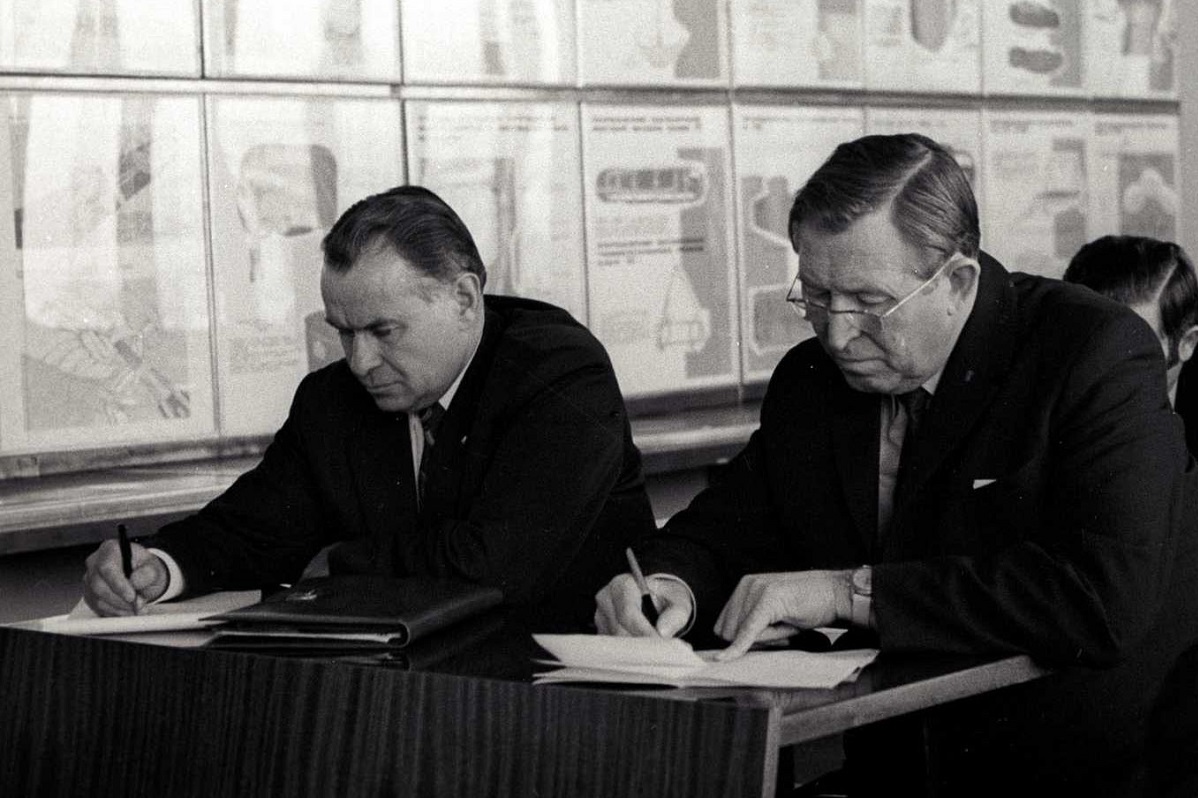
Alongside his playing career, Beskov studied at the Higher School of Coaches, graduating in 1950. After hanging up his boots in 1954, he spent a year as the second coach of the USSR national team, assisting Gavriil Kachalin. This team would later win the Olympic champions in Melbourne. Beskov returned to the national team in 1963 and led them to silver at Euro 1964 in Spain, and bronze at the 1980 Olympics.
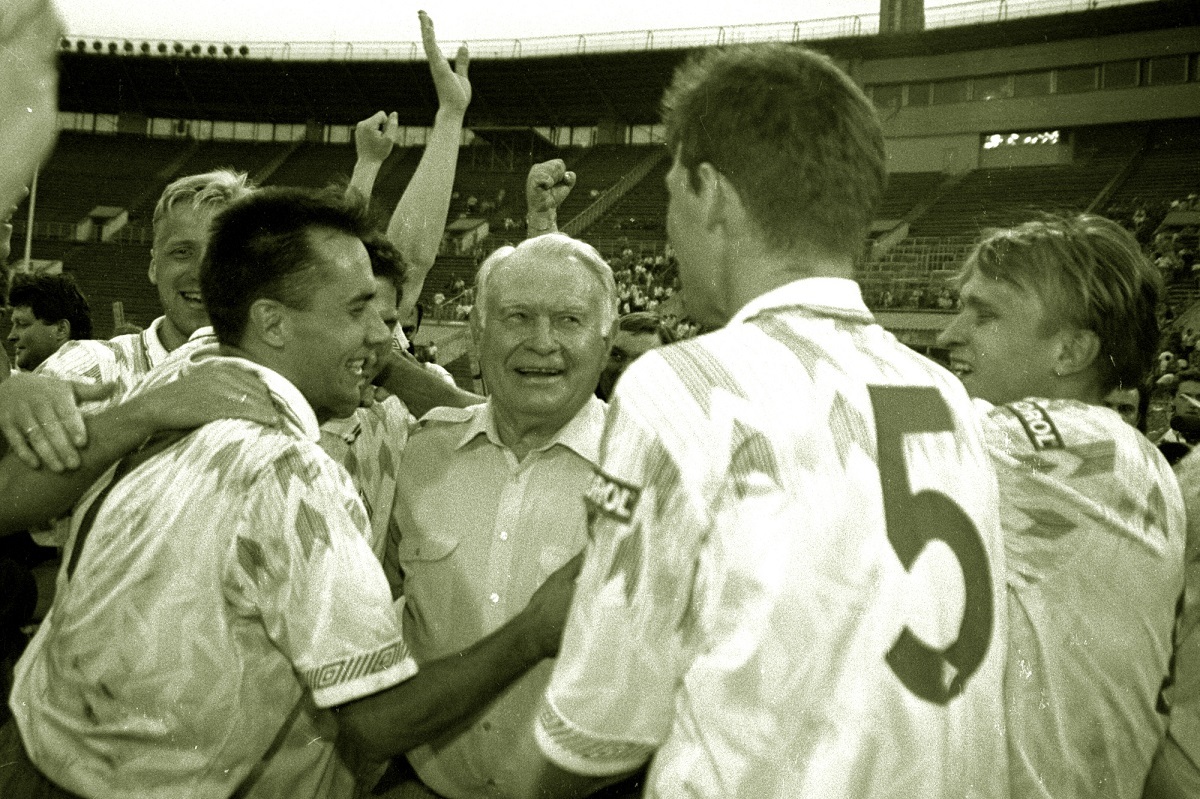
During his long career, Konstantin Ivanovich managed all the major Moscow clubs, but his two stints at the helm of his native Dynamo Moscow stand out. From 1967 to 1972, he led the white-blues to two USSR Cup titles and silver medals in the championship, and became the first player in Soviet history to reach the final of the Cup Winners' Cup. Returning more than 20 years later, he helped Dynamo win their first trophy in modern history: they beat Rotor on penalties in the 1995 Russian Cup final.
– Nobody believed in us back then. Several key players couldn't play in the final against Rotor, but we had to play. I gathered the guys together and told them: you're no worse than those who will play against you. For many, this is a chance to make history and win a trophy. Do everything in your power! And that's what they did, – Beskov said.
Beskov disliked watching games from the bench and always climbed into the stands, where he had a much better view of the field. When adjustments to the play or a substitution were needed, he would signal for his assistant to come over.
– I sat in the stands because I could see the game much better from there. Besides, I had to always be aware of the crowd's mood. I listened to their comments, advice, and, I won't deny, their assessments were quite helpful in some ways. I believed we had to put on a show for those who came to the stadium. Even if we won, but didn't put on a beautiful, entertaining performance, I was dissatisfied. If we play, we play for the crowd, – Konstantin Ivanovich said.
Another innovation Beskov introduced was holding two practices a day. His wife, Valeria Nikolaevna, recalled that he adopted this idea from Igor Moiseyev, director of the Academic Folk Dance Ensemble, who held two rehearsals a day—one in the morning and one in the evening. This regimen increased the intensity of training and helped the players absorb tactical concepts more quickly.
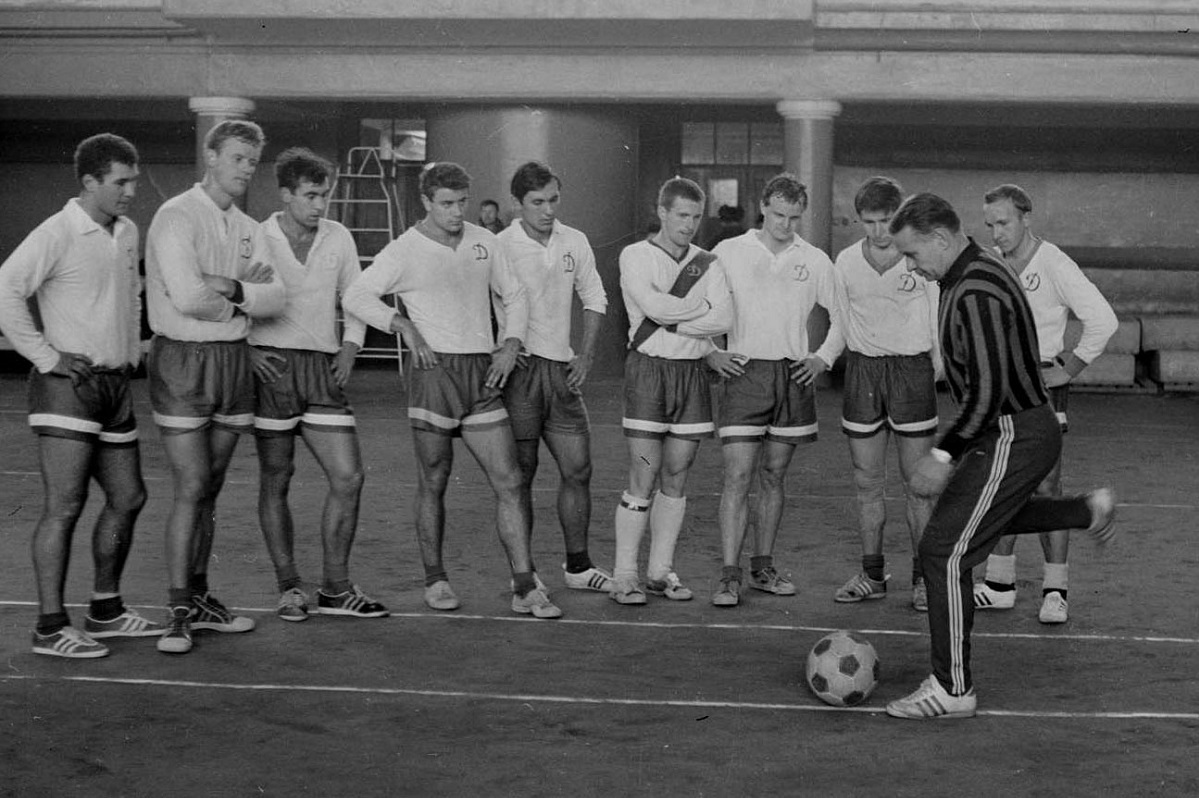
In 1957, Konstantin Ivanovich Beskov was awarded the Order of the Badge of Honor for "his achievements in developing the mass physical education movement in the country, enhancing the skills of Soviet athletes, and successful performance in international competitions." His contribution to football was recognized later as well, remaining a moral authority for several generations of coaches and players.
The legendary footballer and coach died on May 6, 2006, in Moscow at the age of 85. In 2009, the Central Bank of Russia issued a commemorative silver coin in the 2-ruble denomination from the "Outstanding Athletes of Russia" series dedicated to Beskov. And on November 18, 2010, on his 90th birthday, a memorial plaque in memory of the great athlete was unveiled on the wall of the building at 4/10 Sadovaya-Triumfalnaya Street, where he lived for over 50 years.